1.3 мм Свердла середньої серії з кутом 35°?40° по металу DIN 338 RW
| drill bit diameter | 1.3 |
|---|---|
| length total | 38 |
| length cutting | 16 |
| shank type | HA |
| material | HSS |
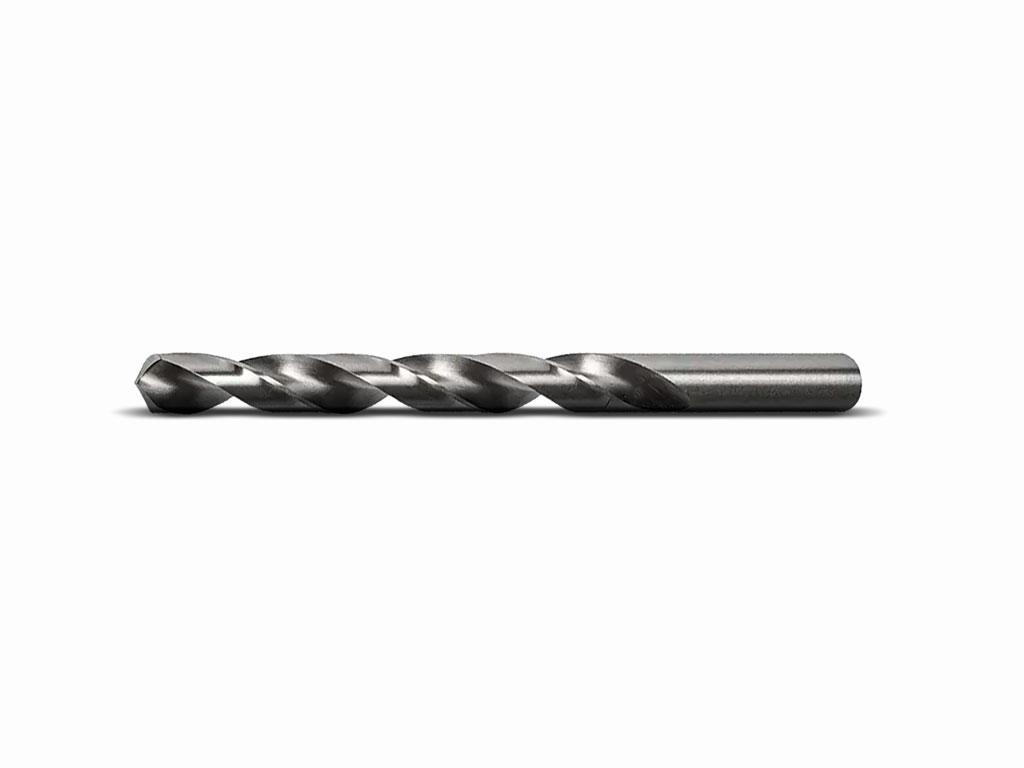
High Helix Jobber Drills DIN 338 RW
DIN 338 high helix jobber drills in RW execution are designed for drilling materials that benefit from a higher helix angle and effective chip evacuation. Their jobber-length construction provides a practical balance between drilling depth, reach and rigidity.
Applications:
Suitable for drilling through holes and blind holes in soft, ductile materials that produce long chips, such as aluminium and selected non-ferrous alloys. Compatibility with a particular alloy depends on the drill material, surface finish and manufacturer’s recommendations.
Operating Principle:
The cutting edges remove material as the drill rotates, while the high helix flutes guide chips out of the hole. This geometry supports chip evacuation in suitable long-chipping materials. Reliable performance also depends on appropriate feed, lubrication and sufficient space for chips to escape.
Diameter and Length:
The drill diameter determines the nominal hole size. Overall length and flute length vary with the selected size. The jobber-length design offers greater reach than comparable stubby drills, but excessive overhang can increase deflection and affect hole accuracy.
Cutting Section:
When machining ductile metals, chips can adhere to the cutting edges or accumulate in the flutes. Use a suitable cutting fluid and monitor chip flow throughout the operation. For deeper holes, apply an appropriate withdrawal cycle to prevent chip packing.
Tool Geometry:
The RW execution features a high helix geometry. DIN 338 specifies the dimensional series for jobber-length twist drills. The exact helix angle, point angle, cutting material and any coating should be checked in the specifications of the selected drill.
Practical Recommendations:
Secure the workpiece and clamp the drill with minimal necessary overhang. Maintain a controlled axial feed and use lubrication suitable for the workpiece alloy to reduce material adhesion. Reduce feed near breakthrough, particularly in thin sections, where the drill may tend to grab.
Specifications:
- Tool type: high helix twist drill
- Series: jobber length
- Standard: DIN 338
- Execution: RW
- Flute geometry: high helix
- Diameter: depends on the selected size
- Overall length: depends on the selected size
- Flute length: depends on the selected size
Cutting Characteristics:
The high helix geometry supports chip evacuation when drilling suitable soft, long-chipping metals. Control of material adhesion and chip accumulation helps maintain cutting performance and hole quality.
Cutting Parameters:
Select spindle speed and feed according to drill diameter, tool material, workpiece alloy, hole depth and cooling conditions. Follow the manufacturer’s cutting data and adjust the drilling cycle to maintain reliable chip removal.
Suitable Operations:
- Drilling aluminium and suitable non-ferrous alloys
- Through holes and blind holes in ductile metals
- Preparing holes for tapping or reaming
- Workshop and production drilling in long-chipping materials
Limitations:
High helix geometry is not a universal choice for all metals. Confirm suitability before machining hard or short-chipping materials. Secure thin workpieces carefully and control feed at breakthrough. Avoid lateral loading and drilling beyond the depth that permits effective chip evacuation.