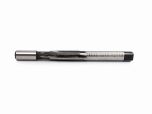
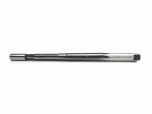
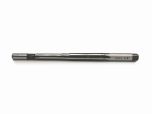
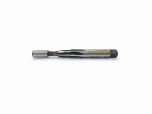
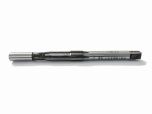
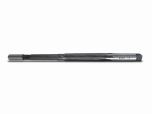
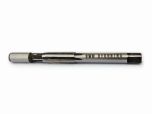
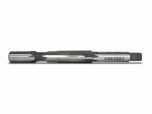
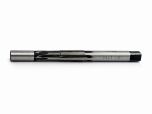
9mm Luger. 9 mm Parabellum. 9x19 finish Chamber Reamer HCS C.I.P.
| gun caliber | 8 - 9.9 mm |
|---|---|
| Reamer Type | finish |
| Pilot Type | Solid |
| standard | C.I.P. |
| Material | HCS |
| Manufacturer | TOKAR |
| Country of Manufacture | Ukraine |
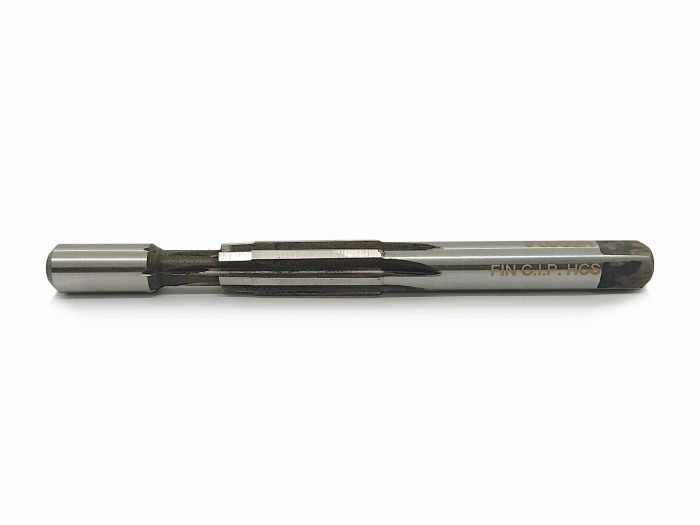
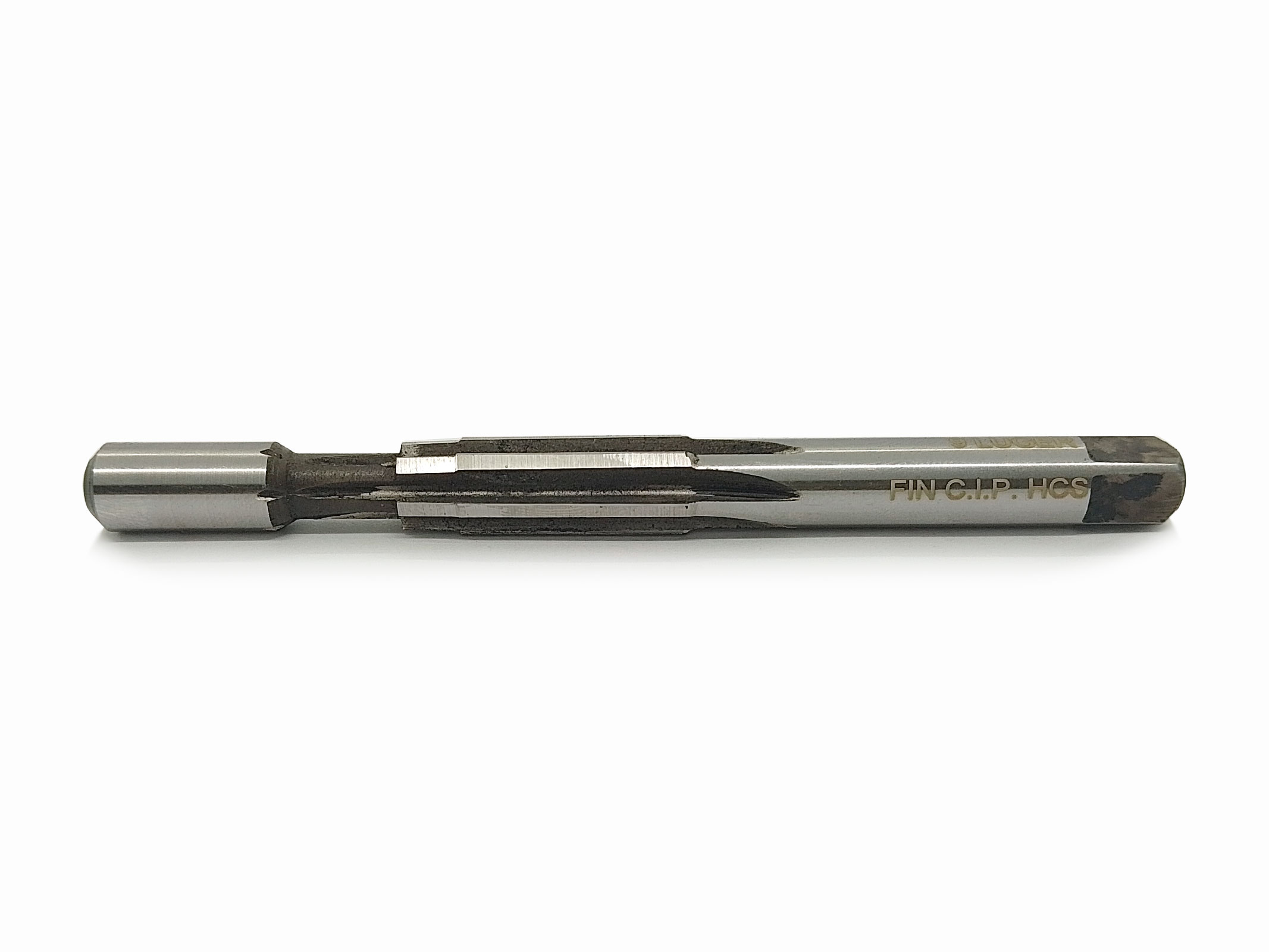
Purpose of a Finish Chamber Reamer:
-
Designed for precision restoration of the chamber to the specified cartridge dimensions in hunting, sporting, or collectible firearms.
-
Used to remove pitting, burrs, corrosion, carbon fouling, and minor mechanical damage that negatively affect cartridge seating and operational safety.
-
Allows refinement and truing of the chamber surface while maintaining dimensional tolerances within SAAMI/CIP standards.
-
Ensures restoration of correct chamber geometry and surface finish, improving accuracy, smooth chambering, and reliable extraction.
-
Can be applied for minor chamber enlargement or correction when dimensional deviations occur due to wear or corrosion.
-
Typically used manually with controlled feed pressure and mandatory lubrication to prevent tool damage and ensure precision cutting.
-
Final finishing of chamber geometry after drilling or rough reaming operations.
-
Precise calibration of all critical chamber zones — case head support area, body taper, neck, and throat (leade).
-
Ensures consistent and secure cartridge seating, directly influencing shot accuracy, pressure containment, and reliable extraction.
-
Achieves high concentricity between the chamber axis and bore axis, which is critical for precision shooting performance.
Recommendations:
-
Use a roughing chamber reamer prior to the finishing reamer to reduce tool load, improve surface finish, and extend tool life.
-
Alternatively, pre-drill the chamber to approximately 0.5 mm (0.020") undersize. This method provides better dimensional control and minimizes tool deflection.
Broken or Chipped Teeth / Tool Body Damage
This issue may occur due to:
- Insufficient chip evacuation during cutting
- Inadequate or improper use of cutting fluid / coolant
- Incorrect application of HSS or HCS chamber reamers (excessive speed, feed, or misalignment)
Comparison of HSS vs HCS Chamber Reamers
| Characteristic | HSS Reamer | HCS Reamer |
|---|---|---|
| Application | Hard steels, alloy barrels, industrial use | Soft metals, light-duty work |
| Hardness (HRC) | 64–69 | 60–62 |
| Cutting Speed | Higher (20–80 m/min) | Lower (5–30 m/min) |
| Feed Rate | Higher (0.05–0.30 mm/rev) | Lower (0.03–0.20 mm/rev) |
| Heat Resistance | Up to 600°C | Up to 200°C |
Temperature Characteristics (Red Hardness)
| Property | HSS (High-Speed Steel) | HCS (Carbon Tool Steel) |
|---|---|---|
| Max Working Temperature (before hardness loss) | ~600°C | ~200°C |
| Optimal Reaming Temperature | 50–150°C with coolant | <100°C with lubrication |
The use of proper cutting fluid or lubrication is strongly recommended, especially for HCS tools, to prevent softening, galling, or tool seizure during operation.

.-25-acp-finish-chamber-reamer.jpg)